
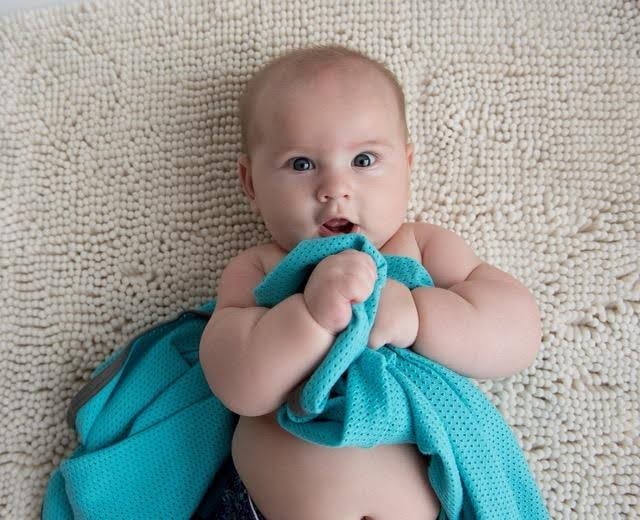
Swaddling helps newborns feel secure, sleep better, and stay calm by mimicking the womb's comfort. The key benefits of swaddling include improved sleep, reduced startle reflex, and emotional soothing. When paired with a babywearing carrier, it supports bonding, comfort, and easier daily routines for parent and baby.
Newborns are adjusting to a brand-new world, and they rely on you for comfort, rhythm, and reassurance. Those early weeks are full of learning, bonding, and finding what helps your baby feel calm and secure. That’s where swaddling and babywearing come together in a meaningful way, helping create moments of ease, closeness, and connection throughout your day.
In this guide, you’ll learn how swaddling supports emotional and physical development, when to use it, and how it works alongside babywearing to make daily life smoother and more connected.
Table of contents
What is swaddling, and why does it matter?
Step-by-step guide to swaddling safely
Benefits of swaddling for babies and parents
Recommended swaddling and babywearing products
Check out Baby K’tan’s products
What is swaddling, and why does it matter?
Swaddling is the practice of wrapping a baby snugly in a lightweight blanket to recreate the feeling of the womb. For newborns adjusting to life outside, this gentle pressure provides comfort, warmth, and a sense of security.
One of the most important benefits of swaddling is its ability to reduce the startle reflex. Newborns often wake themselves with sudden arm movements, but swaddling keeps those movements contained, allowing for longer, more restful sleep.
Swaddling also supports emotional regulation. When babies feel securely wrapped, they tend to cry less and settle faster. This sense of calm becomes even more effective when paired with a baby carrier, where movement and closeness reinforce that feeling of safety.
Many parents combine swaddling with babywearing carriers during transitions, such as moving from sleep to wake time or calming a fussy baby during the day. Together, these tools create consistency and comfort in a newborn’s routine. However, it’s important to note that you shouldn’t place a swaddled baby in a baby carrier. Use each separately but as part of a combined system.
Step-by-step guide to swaddling safely
Swaddling works best when done correctly. A proper wrap supports comfort while allowing healthy movement and breathing.
1. Choose the right blanket
Use a lightweight, breathable fabric. Overheating can reduce the benefits of swaddling, so avoid thick or heavy materials.
2. Lay the blanket flat
Place the blanket in a diamond shape and fold down the top corner.

3. Position your baby
Lay your baby on their back with their shoulders right below the fold. Keep their neck and head uncovered.
4. Wrap one side snugly
Bring one side of the blanket across your baby’s chest and tuck it under their body.
5. Fold the bottom up
Leave enough room for the legs to move freely. Healthy hip positioning is essential.
6. Secure the other side
Wrap the remaining side across your baby, and tuck it securely.
7. Check for comfort and safety
Make sure the swaddle feels snug but not tight. Your baby should breathe easily and move their hips.
Swaddling pairs naturally with a baby carrier during awake periods. While you shouldn’t place a fully swaddled baby into most babywearing carriers, transitioning between the two helps maintain comfort throughout the day.
Benefits of swaddling for babies and parents
Understanding the full benefits of swaddling helps you use babywearing carriers with more confidence and intention. It’s about helping your baby sleep and creating a steady, comforting rhythm that supports emotional and physical development.
Improves sleep quality
Swaddled babies often fall asleep faster and stay asleep longer. The snug wrap limits sudden movements that can wake them, which helps create longer stretches of rest. For parents, this often means fewer nighttime disruptions and more predictable sleep patterns.
Supports emotional regulation
Swaddling creates a steady, calming pressure that helps babies feel grounded. This often reduces crying and makes it easier for them to settle after feeding or stimulation. When paired with movement in a baby carrier, this calming effect becomes even more noticeable, especially during fussy periods.
Enhances bonding and connection
Swaddling and babywearing often work best together. After swaddling for rest, transitioning your baby into a baby carrier during awake time keeps them close to your voice, warmth, and movement. Many parents find that using babywearing carriers strengthens that sense of connection throughout the day.
Makes transitions smoother
Moving from sleep to wake time can be difficult for newborns. Swaddling provides a consistent cue that signals comfort and rest, while babywearing carriers help bridge the gap into activity. Together, they create a smoother flow between naps, feedings, and daily routines.
Common mistakes to avoid
Swaddling feels simple, but small mistakes can affect safety and comfort. Paying attention to how you wrap, when you use it, and how your baby responds makes a big difference.
Swaddling too tightly
A snug swaddle helps your baby feel secure, but wrapping too tightly creates problems. When the fabric presses too firmly around your baby’s hips and legs, it could restrict natural movement and interfere with healthy development. Babies need space to bend and move their legs freely. A good rule is to keep the arms secure while allowing room at the hips and knees.
Covering the baby’s face
A swaddle should always leave your baby’s face fully visible. Fabric that shifts over the nose or mouth could limit airflow and create a safety risk. As your baby moves or settles, check that the blanket stays below the shoulders and doesn’t ride up. Clear airflow is always more important than keeping every inch tucked.
Overheating
It’s easy to assume babies need extra warmth, but too many layers could work against you. One of the key benefits of swaddling comes from creating a calm, balanced environment. Thick blankets or heavy fabrics may cause overheating, discomfort, or restlessness. Choose lightweight, breathable materials and dress your baby in simple layers underneath.
Keeping babies swaddled too long
Swaddling works best during the early newborn stage, but you shouldn’t use it forever. As your baby grows and starts showing signs of rolling, it’s time to stop swaddling. Continuing beyond that point can limit movement and increase safety risks. Watch for changes in your baby’s development and adjust your routine as needed.
Using swaddling inside babywearing carriers
As we mentioned earlier, swaddling and babywearing both offer comfort, but they serve different purposes. Placing a tightly swaddled baby inside a baby carrier can prevent proper positioning. Babies need their legs free to spread naturally in most babywearing carriers. Instead of combining them at once, use swaddling for rest and transition to babywearing when your baby is awake and alert.
Ignoring baby cues
Every baby responds differently to swaddling. Some settle quickly, while others may resist it. Pay attention to signs like fussiness, overheating, or discomfort. Adjust how tightly you wrap or how long you swaddle based on what your baby shows you. The benefits of swaddling come from meeting your baby’s needs, not forcing a routine that doesn’t fit.
Data and research insights
- Swaddling shows to improve sleep duration in newborns.
- The benefits of swaddling include reduced crying and improved self-soothing.
- Close contact through a baby carrier supports bonding and emotional development.
These findings highlight the importance of both swaddling and babywearing in early development.
Recommended swaddling and babywearing products
- Lightweight swaddle blankets: Breathable fabrics help maximize the benefits of swaddling without overheating.
- Adjustable swaddle wraps: Pre-shaped designs make swaddling easier for new parents.
- Soft baby carriers: A comfortable baby carrier supports daily movement and bonding.
- Hybrid babywearing carriers: These combine structure and flexibility for ease of use.
- Stretchy wrap carriers: Many parents prefer wrap-style babywearing carriers for newborn comfort and closeness.
Choosing the right products helps create a smooth routine that supports rest and activity.
FAQ
What are the main benefits of swaddling?
The primary benefits of swaddling include improved sleep, reduced startle reflex, and increased comfort. Swaddling helps babies feel secure, which often leads to less crying and easier soothing during the early weeks.
Can I use a baby carrier with a swaddled baby?
It’s best to avoid placing a tightly swaddled baby inside a baby carrier. Proper positioning requires the baby’s legs and hips to move freely. Instead, alternate between swaddling and babywearing.
How long should I swaddle my baby?
Most babies benefit from swaddling during the newborn stage. Once your baby shows signs of rolling, it’s time to stop swaddling for safety reasons.
Do babywearing carriers replace swaddling?
No, they serve different purposes. Swaddling supports sleep and calming, while babywearing carriers help with mobility and bonding during awake time.

Check out Baby K’tan’s products
The benefits of swaddling go far beyond sleep; they create comfort, reduce stress, and help your baby feel secure from the very beginning. When paired with a supportive baby carrier and high-quality babywearing carriers, you build a daily rhythm that keeps your baby close and cared for.
Looking for an easier way to stay connected throughout your day? Explore Baby K’tan’s collection of soft, ergonomic carriers and swaddling blankets that support you and your baby every step of the way.