
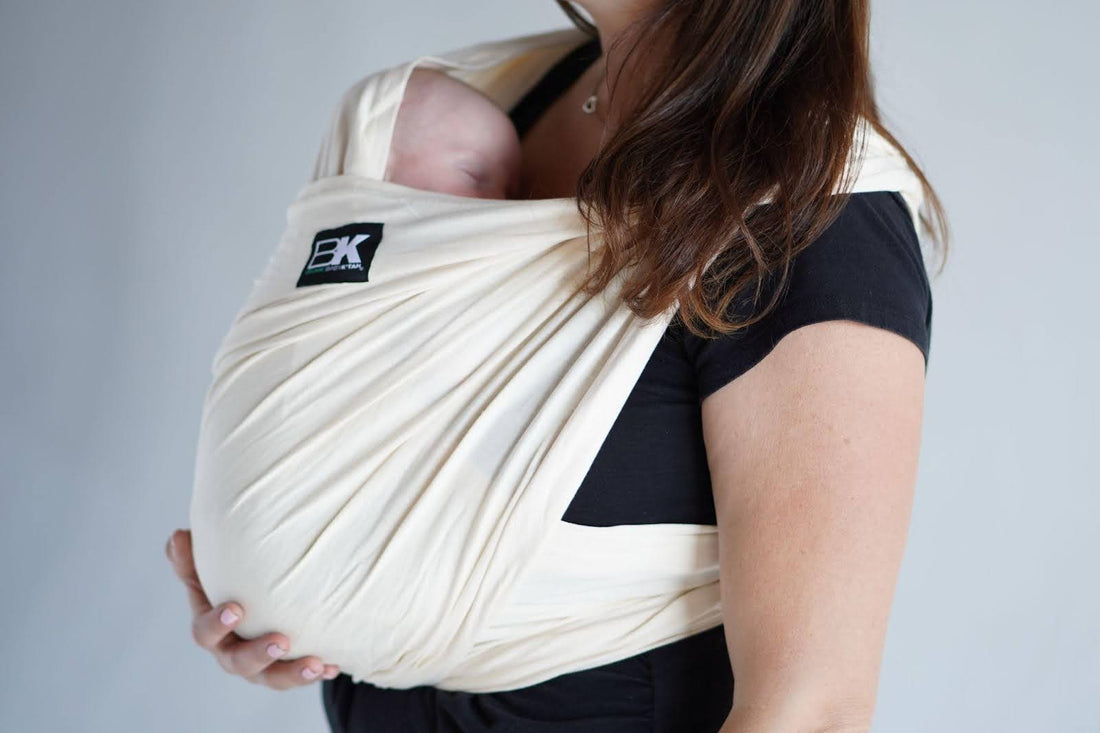
Breastfeeding in a carrier is one of the most comforting and practical skills new parents learn. Many parents discover that babywearing offers a beautiful way to stay close while keeping their hands free for life’s small but essential moments. And for breastfeeding mothers, that closeness extends to feeding time as well.
This approach combines two instincts at once — holding your baby near and nourishing them wherever you go. But like any skill, it takes practice, patience, and the right carrier to make it feel natural.
Why breastfeeding in a carrier can make life easier
Breastfeeding has always been about connection, but incorporating babywearing into the mix opens up new doors to flexibility and comfort. Many mothers love hands-free breastfeeding because it allows them to feed while walking around the house, tending to an older child, or simply enjoying a quiet moment outside.
When using a small infant carrier, your baby remains nestled against your body, supported and secure, while you have a bit more freedom to move. The warmth, heartbeat, and gentle motion calm your baby, making feeding time feel familiar and soothing.
For parents balancing multiple responsibilities, breastfeeding in a carrier transforms daily routines — whether you’re settling your baby while preparing lunch or enjoying an afternoon stroll together. It helps you stay connected, responsive, and in tune with your baby’s cues without feeling confined to one spot.
Table of contents
Why breastfeeding in a carrier can make life easier
Getting started: setting yourself up for success
Common challenges and how to solve them
Staying safe while breastfeeding in a carrier
The emotional benefits of combining babywearing and breastfeeding
Staying connected with confidence with Baby K’tan
Getting started: setting yourself up for success
Before trying breastfeeding in a carrier, it’s helpful to start with a few practice sessions when your baby isn’t overly hungry or upset. Babies feed best when they feel calm and secure, and giving yourself space to adjust positioning will build your confidence.
Here are a few steps to make the process smoother:
1. Choose the right carrier
A supportive, ergonomic small infant carrier that allows you to adjust your baby’s height and positioning makes all the difference. Look for soft, breathable fabric and designs that keep your baby’s head supported while allowing enough flexibility to move them slightly into position for feeding.
2. Practice positioning before feeding
Practice positioning before feeding. Wear your baby upright in their carrier and become comfortable adjusting the straps and fabric to find the perfect fit. You’ll want to feel confident lowering your baby so they can latch (but no lower than that).
3. Support your breast if needed
Holding your breast or using your hand to guide the latch may help at first. Over time, both you and your baby will find a rhythm that feels effortless.
Remember, learning hands-free breastfeeding doesn’t have to be rushed. Start slowly, and celebrate small wins as you go.

Common challenges and how to solve them
Even with the best intentions, breastfeeding in a carrier comes with its own learning curve. Here are some of the most common challenges parents face, along with practical ways to work through them.
1. Finding the right position
The most common challenge is positioning your baby at the right height and angle. If your baby is too high or too low, latching is difficult and uncomfortable for both of you.
To solve this problem, gradually adjust your carrier. Loosen the straps slightly until your baby’s mouth lines up with your nipple. Keep their head supported and their airway clear by ensuring their chin isn’t pressed against their chest. Some parents find that a small infant carrier with adjustable loops, like the Baby K’tan, makes these micro-adjustments easier to manage.
2. Maintaining a deep, comfortable latch
A shallow latch will cause nipple tenderness or frustration for your baby during feeding. So, before you start breastfeeding in a carrier, make sure your baby’s body is turned fully toward you — tummy to tummy. Bring your baby to your breast rather than leaning forward.
A well-aligned latch helps both of you stay relaxed, especially when you’re moving or wearing your baby for extended periods.
3. Feeling uneven or off-balance
Especially for first-time mothers, adjusting to feeding while standing or walking might feel awkward.
Try feeding while seated until you feel steady with your carrier’s fit and your baby’s weight distribution. Once you’ve mastered that, you can gradually transition to full hands-free breastfeeding while performing small tasks or moving around.
4. Managing heat and fabric layers
Close contact and fabric layers make both baby and parent warm, especially during summer or while indoors.
Dress both of you in lightweight, breathable clothing. Carriers made from cotton or soft performance blends allow airflow while keeping your baby comfortably snug. If it’s warm out, limit extra blankets or layers to prevent overheating.
5. Discreet feeding on the go
Many mothers appreciate the discretion of breastfeeding in a carrier, but it may take a few tries to master adjusting the fabric without disrupting your baby.
We recommend practicing at home first to learn the subtle ways to adjust your wrap or carrier for optimal coverage. Most small infant carriers naturally provide light coverage through their panels or fabric folds, allowing you to nurse comfortably while staying modest in public.
Staying safe while breastfeeding in a carrier
Safety always comes first. When practicing hands-free breastfeeding, keep a few key safety principles in mind:
-
Ensure your baby’s airway is visible and unobstructed at all times. You should always be able to see their face without having to shift the fabric.
-
Keep your baby in an upright position after feeding to prevent reflux.
-
Always re-tighten your carrier after feeding to restore proper support and comfort.
-
Avoid multitasking with anything physically demanding while feeding — your priority is keeping your baby secure and maintaining a well-balanced body.
Your baby’s well-being and your comfort matter. The more mindful you are of your setup, the more seamless and natural breastfeeding in a carrier will become.
The emotional benefits of combining babywearing and breastfeeding
Beyond convenience, there’s something deeply nurturing about combining these two intimate practices. Babywearing keeps your little one feeling close, soothed, and connected, while breastfeeding adds an extra layer of comfort and bonding.
During those early weeks, it’s easy to feel tethered to feeding sessions that blend into one another. Using a small infant carrier during breastfeeding restores a sense of freedom and ease. You can sway gently to music, walk around your living room, or step outside for fresh air without pausing that essential connection with your baby.
For many mothers, the rhythm of hands-free breastfeeding becomes a cherished part of daily life — a moment of confidence and calm amidst the newborn whirlwind.
Practical tips for success
Every parent’s journey is unique, but these small adjustments make a big difference:
-
Dress for access. Choose tops designed for nursing or with stretchy necklines to make latching simpler.
-
Use layers strategically. A lightweight scarf or cardigan gives added coverage if you prefer more privacy.
-
Watch your baby’s cues. Respond early when they show signs of hunger; it’s easier to latch a calm baby than a fussy one.
-
Take your time. It’s okay if feeding sessions feel awkward at first. With practice, it will become second nature.
-
Alternate sides. As in traditional feeding positions, switching sides helps maintain milk balance and keeps your baby comfortable.
Over time, these small habits turn into graceful routines that feel natural and empowering.

When to seek extra help
If you’re having ongoing pain, latch issues, or difficulty adjusting your setup, a certified lactation consultant or babywearing educator can help. They observe your positioning and suggest specific adjustments tailored to your carrier style.
Remember — every mother-baby duo is unique. What works perfectly for one family may require a slight adjustment for another. Compassion and patience go a long way in making breastfeeding in a carrier effective and enjoyable.
Staying connected with confidence with Baby K’tan
Breastfeeding in a carrier is more than a multitasking trick — it’s a meaningful way to strengthen your bond while giving yourself freedom to move through your day. The combination of nourishment, closeness, and mobility helps you feel confident, capable, and entirely present.
Whether you’re using a soft wrap, an ergonomic newborn holder, or an easy-to-wear small infant carrier, every moment you share through babywearing and feeding reinforces your connection in powerful ways.
Parenthood is full of tiny miracles: quiet heartbeats, gentle motions, and simple acts of care that add up to something extraordinary. Breastfeeding in a carrier brings those miracles within reach — one calm, hands-free moment at a time.
Shop the Baby K’tan collection today to get started.